Why is the first biodiversity satellite Chilean?
When he discovered that data about nature was lacking, Leo Prieto set out to launch the world's first satellite designed to measure biodiversity. And he succeeded, through teamwork, perseverance, and conviction. (DW in Spanish)
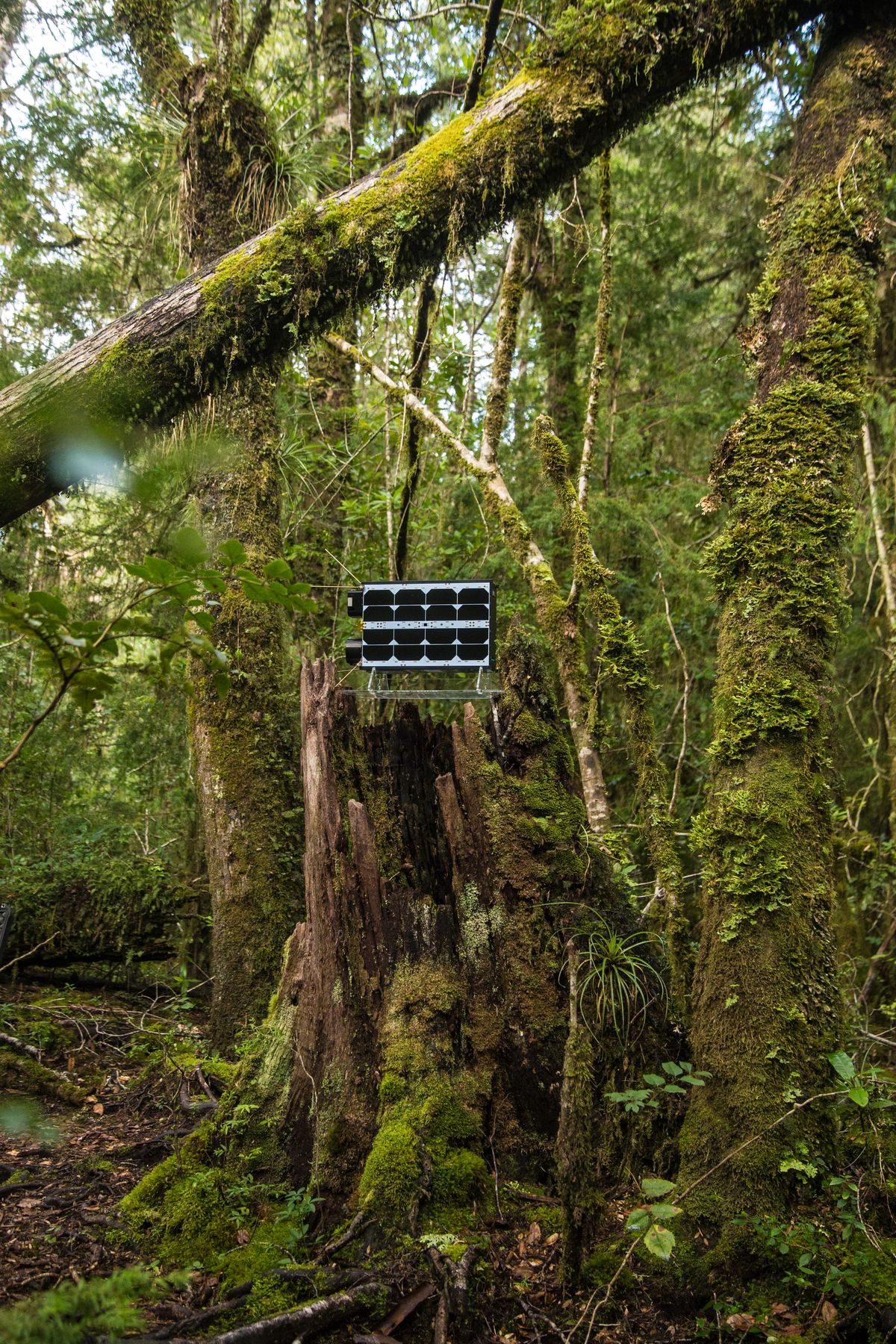
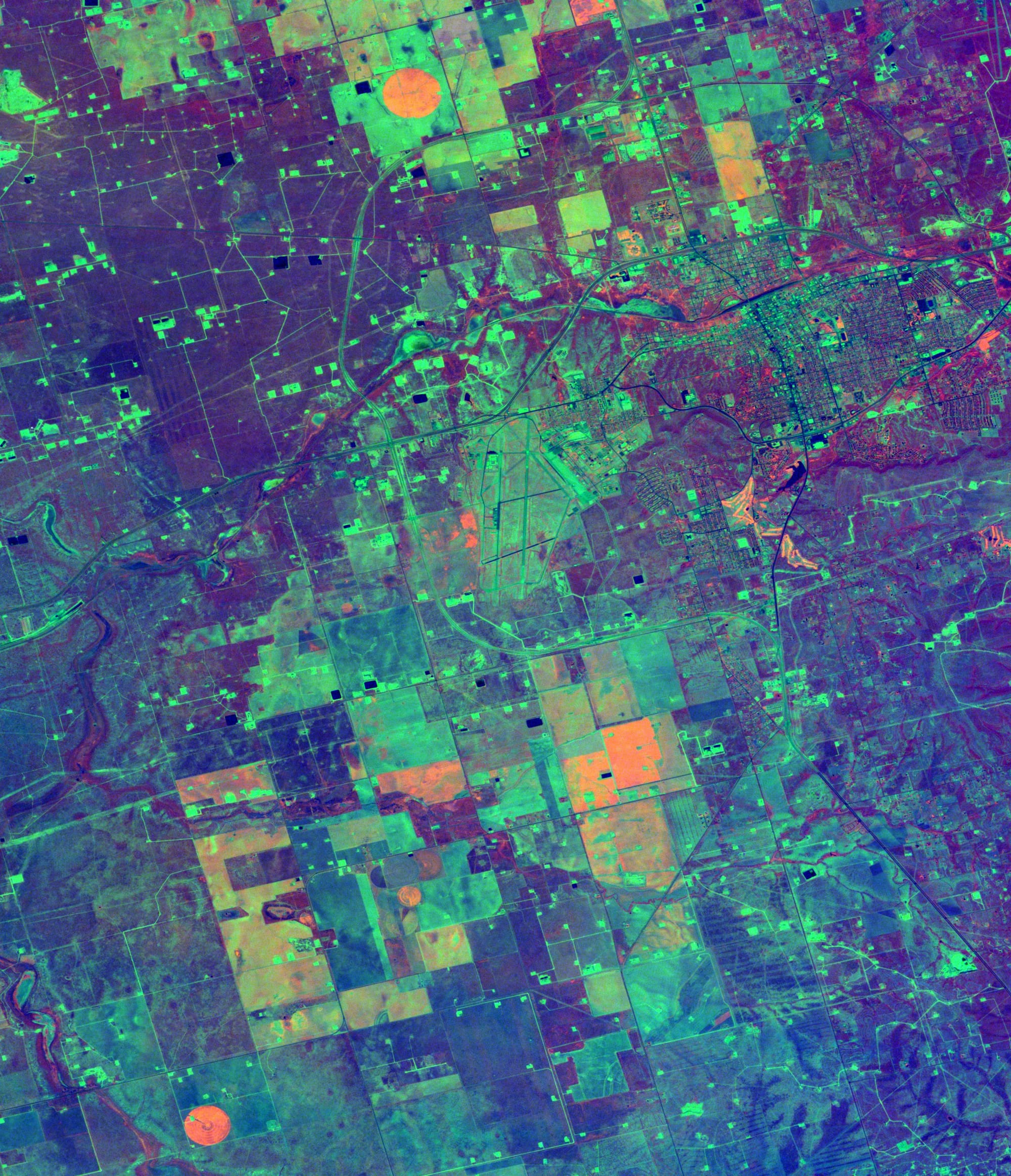
The Chilean satellite Lemu Nge, launched in 2024 on a SpaceX Falcon 9, is the world’s first biodiversity satellite. Equipped with a hyperspectral camera, it allows for the observation of ecosystems with a level of detail impossible for the human eye and transforms this data into actionable insights through Atlas, a platform that integrates water, carbon, vegetation, biodiversity, and human development.
This technology aims to transform conservation and demonstrate that caring for nature is also a smart economic decision. From Chile, Lemu monitors global ecosystems to promote protected areas and a new development model.
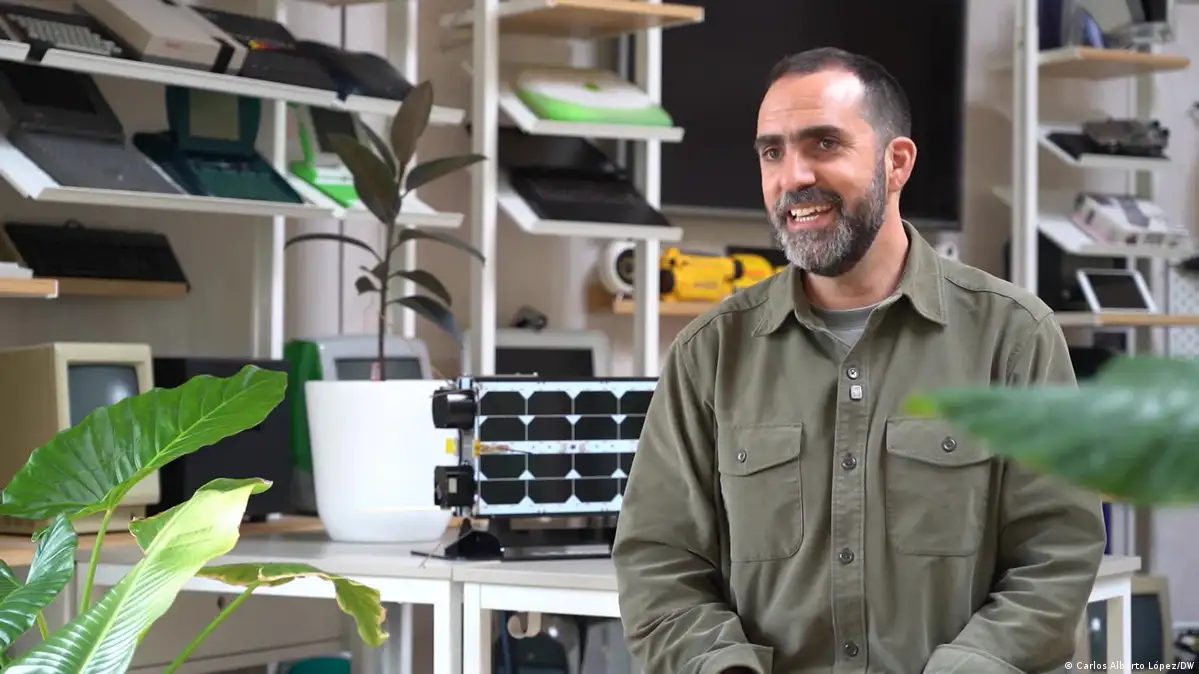
A report by: Carlos Alberto López
Broadcasted by DW en Español and posted originally on dw.com/es.