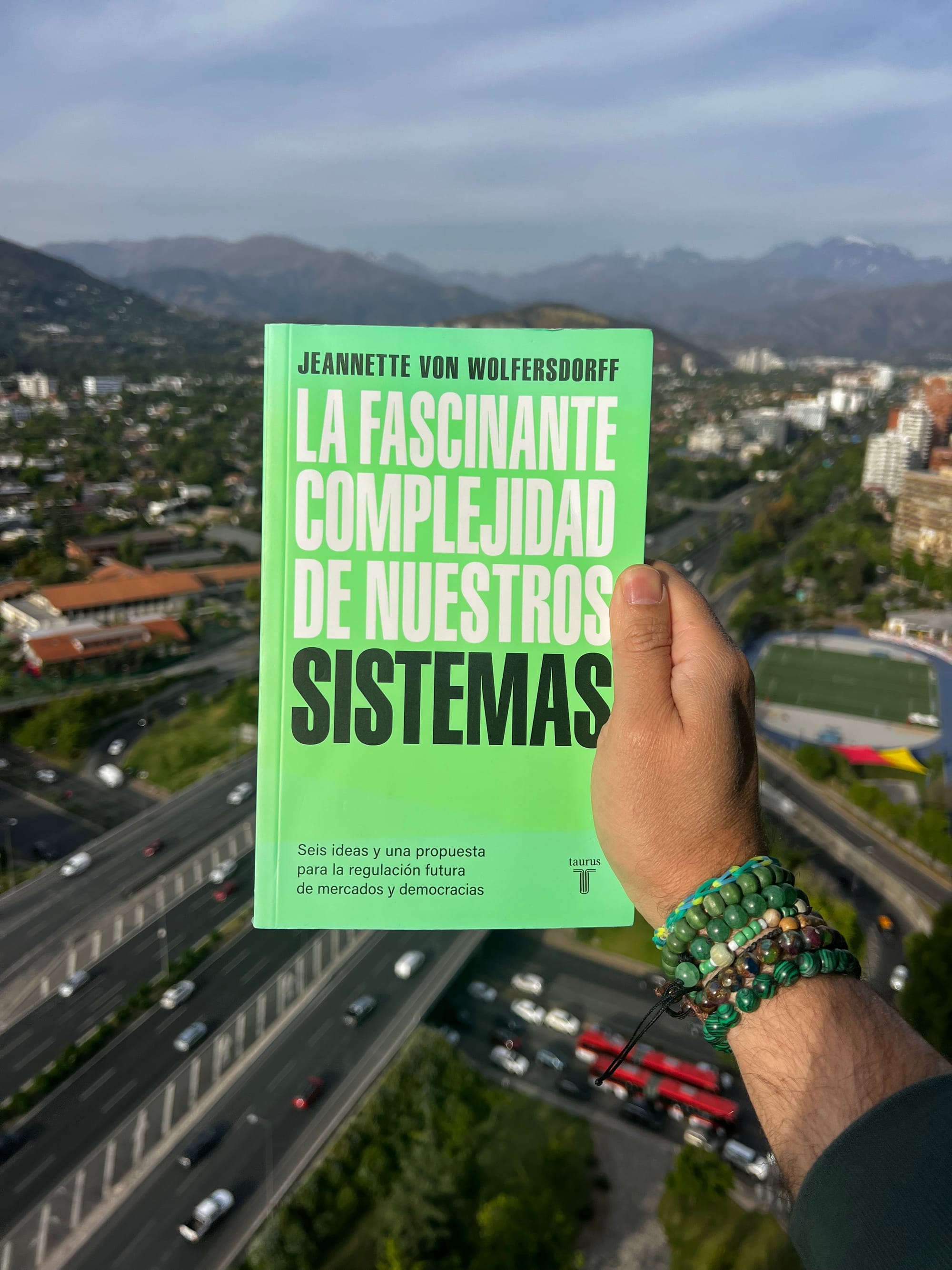
The Demon-Haunted World (1995)
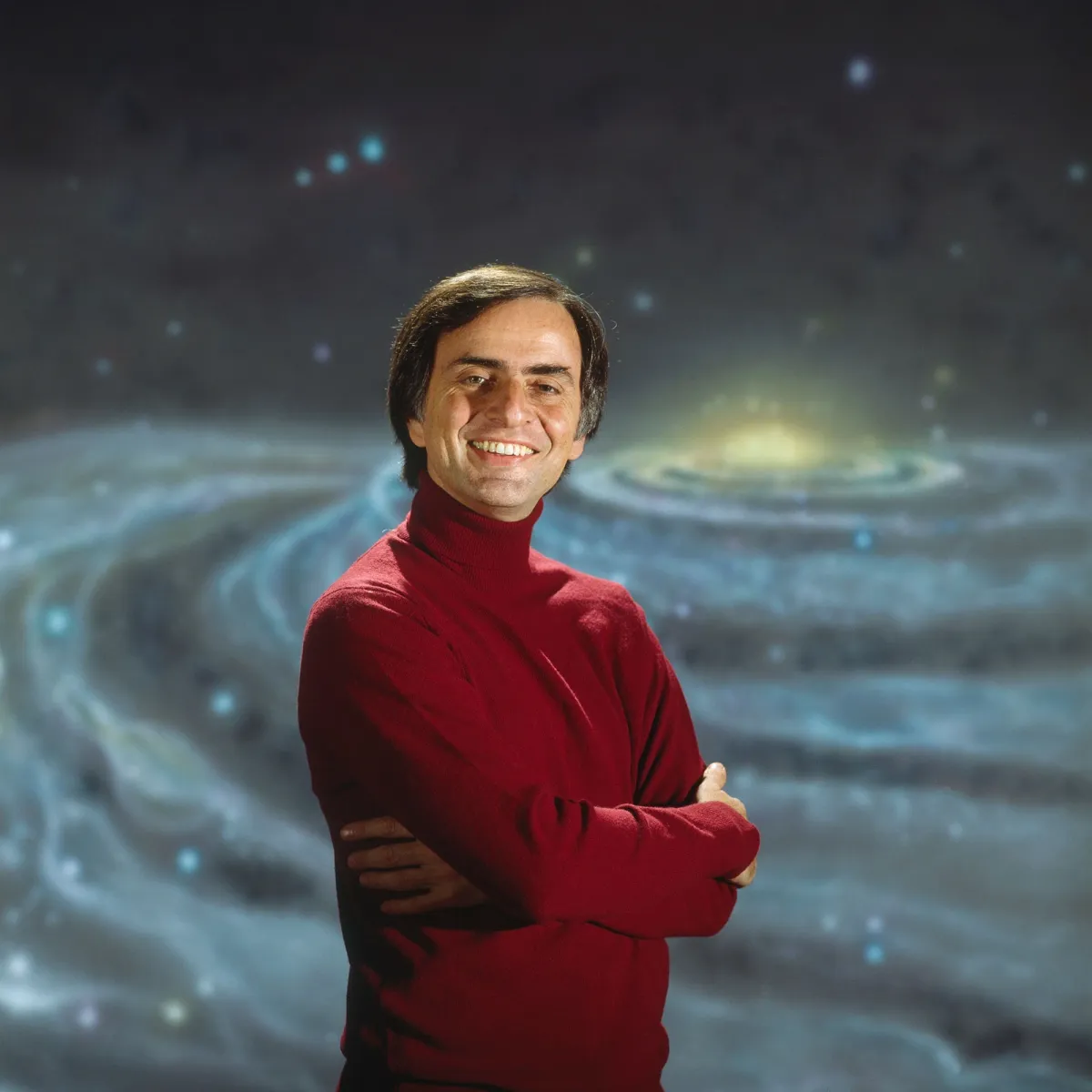
Sagan wrote this a third of a century ago. It reads like a diagnosis written this morning — not of any single crisis, but of something slower: a society losing its capacity to think clearly about uncertainty.
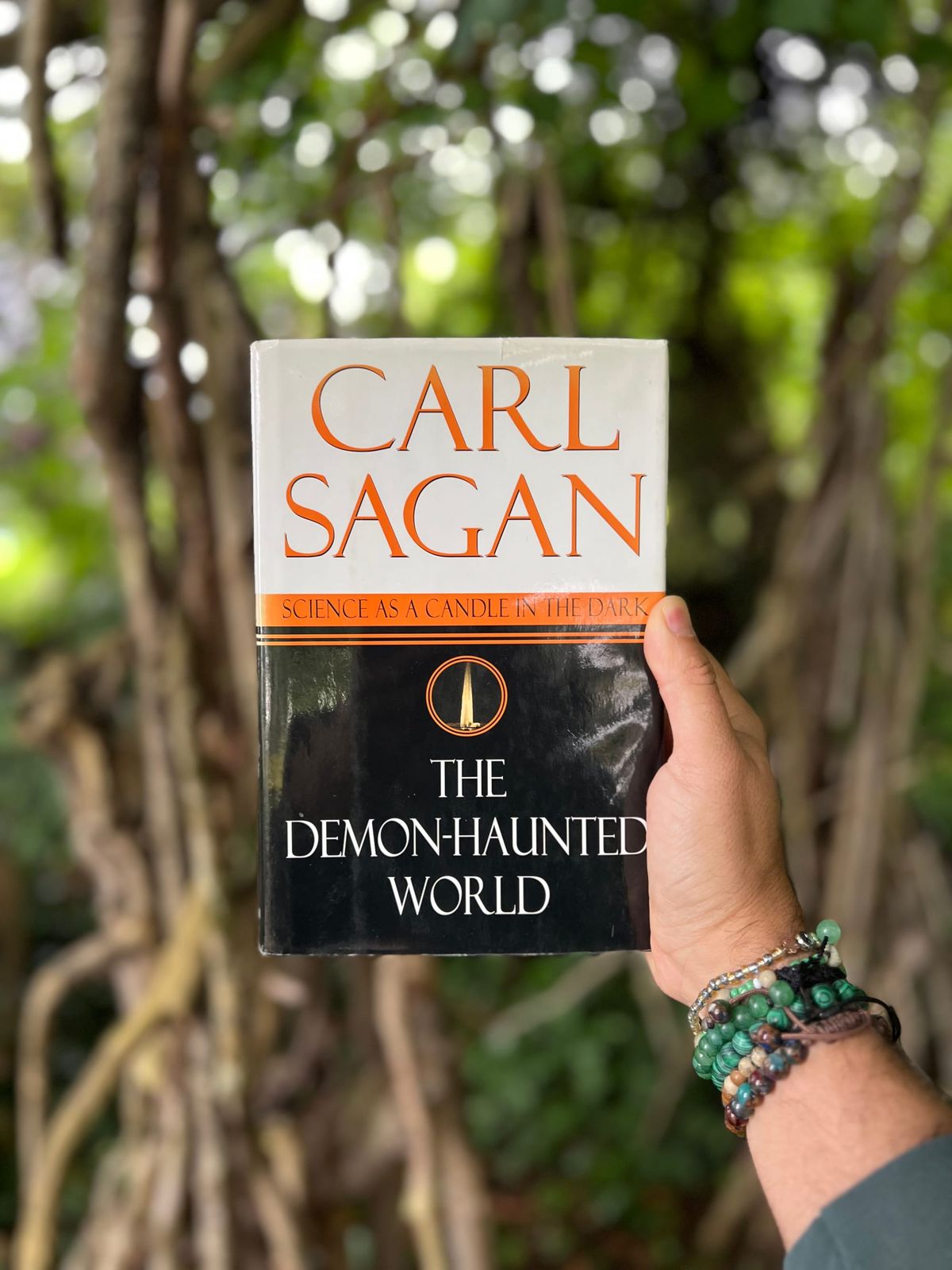
“We’ve arranged a global civilization in which most crucial elements — transportation, communications, and all other industries; agriculture, medicine, education, entertainment, protecting the environment; and even the key democratic institution of voting — profoundly depend on science and technology. We have also arranged things so that almost no one understands science and technology. This is a prescription for disaster. We might get away with it for a while, but sooner or later this combustible mixture of ignorance and power is going to blow up in our faces.”
— Carl Sagan (The Demon-Haunted World, 1995)
Sagan wrote this in 1995, during what felt like a quieter moment — before social media, before algorithmic amplification, before the industrialization of doubt. He was already worried then. Not about any single crisis, but about something slower and harder to see: a society gradually losing its capacity to think clearly about uncertainty.
Thirty years later, his concern feels less like a warning and more like a diagnosis.
Reading classics produces a frustrating pattern. Humboldt spent decades demonstrating that everything in nature is connected — and we spent two centuries extracting as if it weren’t. Darwin described, with startling precision, the fragility of ecosystems he observed firsthand — and we spent the next century and a half testing those limits. Now Sagan, writing in 1995, carefully maps the conditions under which societies lose their grip on reason — and here we are.
The warnings were always there. Legible, patient, precise. We just didn’t know how to act on what we understood.
The central argument is deceptively simple: science is not a collection of facts — it's a way of thinking. A set of tools for navigating uncertainty without surrendering to fear. What he calls the "baloney detection kit" is really just disciplined curiosity wearing practical clothes.
But the deeper message is systemic. Sagan understood, decades before most, that a society unable to distinguish evidence from assertion — that confuses confidence for expertise, repetition for truth — becomes fragile in ways that are very hard to reverse. Not because people are stupid. Because the systems around them reward the wrong things.
A Candle, Not a Torch
What strikes me most is the tone, the same calm voice you hear in his documentaries. Sagan never shouts. He never condescends. He writes with the patience of someone who genuinely believes the reader is capable of understanding — and that this belief itself matters.
He takes pseudoscience seriously — not to validate it, but to dissect it carefully, respectfully, and completely. He knows that ridicule doesn't change minds. Understanding does.
That’s a long-term strategy. And I believe it’s the right one.
Thirty Years Later
We now have more information than any civilization in history. And more confusion than perhaps any civilization in history.
Sagan anticipated this. He worried about a future where “science’s products are essential to survival — but science itself has become inaccessible, irrelevant, or threatening to most people.”
That future arrived — or something close enough to it that the difference is hard to find.
Reading The Demon-Haunted World in 2025 feels less like encountering a classic and more like finding a map drawn by someone who had already visited the place you're lost in.
Which brings me back to Humboldt. And Darwin. And the uncomfortable realization that this is not the first time humanity has been handed a precise, patient, well-documented map of what lies ahead — and chose not to follow it. The difference with Sagan is that the stakes he described aren’t geological or ecological. They’re epistemic. And epistemic fragility, once it takes root in a society, is much harder to compost than a mistaken idea about nature.
“The candle flame gutters. Its little pool of light trembles. Darkness gathers. The demons begin to stir.” — Carl Sagan
The candle is still lit. And the dark gathered closer. Did the demons take over?
Bonus Track
 Leo Prieto